
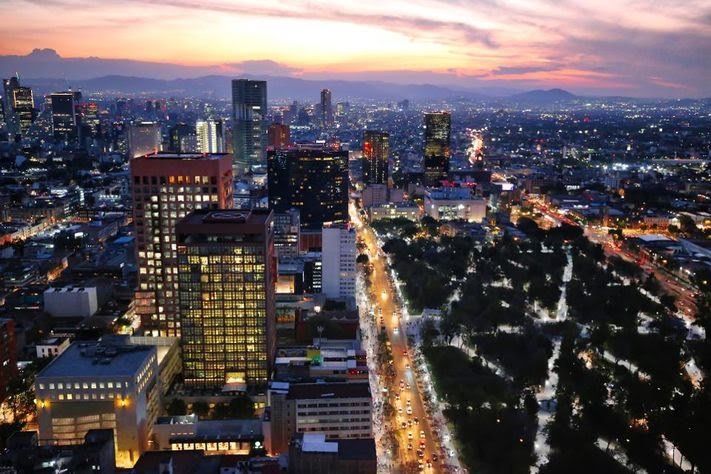
1. RIZAL PARK

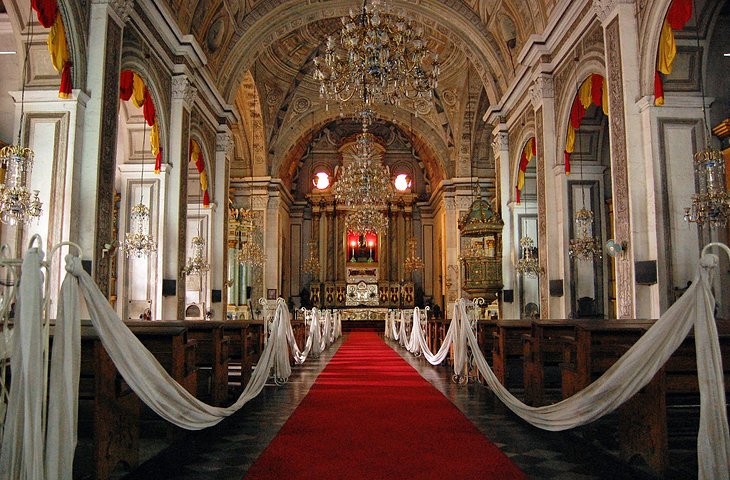
2. QUIAPO CHURCH

3. MANILA OCEAN PARK

4. SAN AGUSTIN CHURCH AND MUSEUM
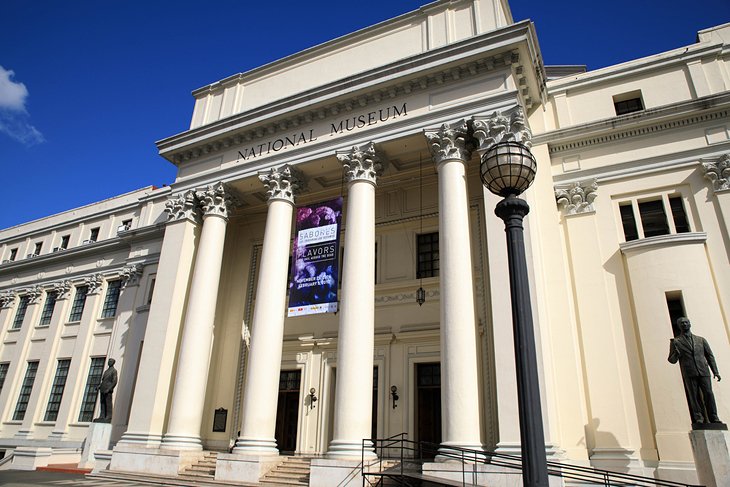
5. NATIONAL MUSEUM OF THE PHILIPPINES
1. RIZAL PARK
2. QUIAPO CHURCH
3. MANILA OCEAN PARK
4. SAN AGUSTIN CHURCH AND MUSEUM
5. NATIONAL MUSEUM OF THE PHILIPPINES
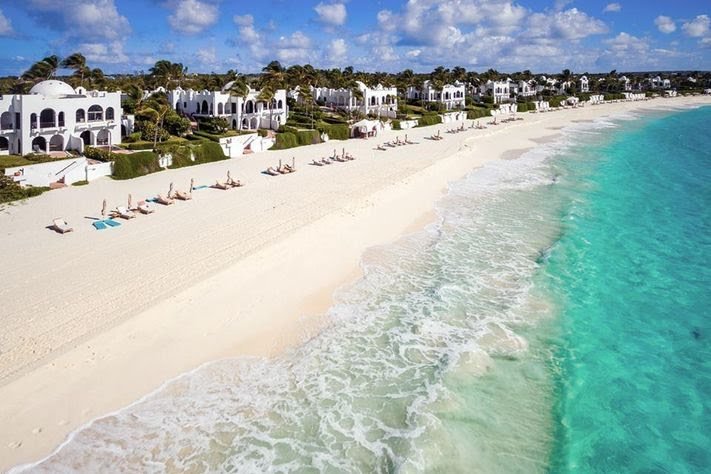
Where: Anguilla, Caribbean
Why: You’ll be hard pressed to find beaches more spectacular in the Caribbean jipthan on the beautiful British overseas territory of Anguilla. From long stretches of pristine white sand on Rendezvous Bay to the sparkling Maundays Bay, Anguilla is a honeymoon hot spot and also ideal for family holidays. The iconic Belmond Cap Juluca will soon reopen on December 15th after a complete renovation and will feature a brand new oceanfront infinity edge pool as well as a touch of Venetian glamour at the new Cip’s by Cipriani restaurant. There will also be a new Cap Shack, where you’ll sip rum punch and dine on beach BBQ tapas from a food truck while swaying to cool calypso tunes under the stars.
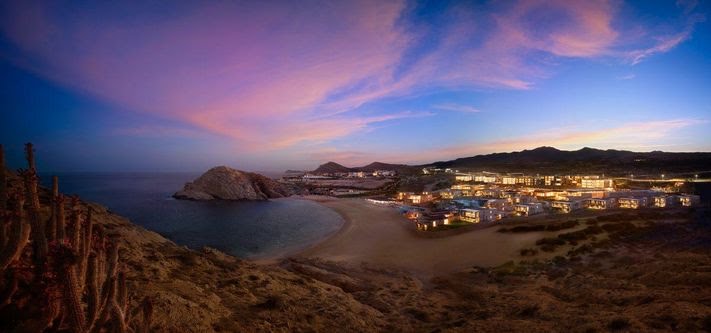
Where: Los Cabos, Mexico
Why: You might think you know about Los Cabos, but did you know that one of the largest, protected national marine parks in the world is just 60 miles south? Cabo Pulmo National Park used to be heavily overfished before the park became officially protected in the 90s; it’s also a UNESCO site because of its rich biodiversity, high marine productivity and beauty. Cabo Pulmo stretches five miles along the coast of Baja California Sur and houses the oldest living reef of on the west coast of North America. (Fishermen have been taught how to be dive masters to keep the ocean healthy and full of fish.) There, you can find sea turtles, sea lions, dolphins and humpback whales. Thanks to the success of the national marine park, travelers can now kayak, go stand-up paddleboarding or snorkel/scuba dive with sea lions and even (friendly) bull sharks. Back in Los Cabos, visit chef Enrique Silva’s working organic farm and restaurant at Los Tamarindos, where you can pick your produce and make a meal with him. There are a number of hotels to check out, including a recently opened Montage Los Cabos and the forthcoming Four Seasons Costa Palmas, slated to open in 2019. My pick: the sustainable Hotel El Ganzo, which has an artist-in-residence program and a music recording studio. The hotel also supports the children’s community art center across the street.

Where: Placencia, Belize
Why: When you think of Belize, you think of the cays or the inland eco-resorts. But further south on the mainland is Placencia, a cute waterfront fishing village with bright houses and buildings that is slowly being discovered. It’s also home to Itz’ana, the first luxury resort in the area. The owner collects Mayan artifacts, and this is his second independent hotel in Belize (the first was Ka’ana in San Ignacio). At Itz’ana, the lobby is designed to feel like you’re in a guest house, not a hotel. In addition to the stunning rooms in the main property, there are also villas with private plunge pools.

Where: Cartagena, Colombia
Why: Cartagena is a riot of color, cuisine and culture. Where to stay? Casa San Agustin is situated in the center of the action inside the city walls. It’s a romantic getaway with unique features, like a pool running beneath a centuries old aqueduct.
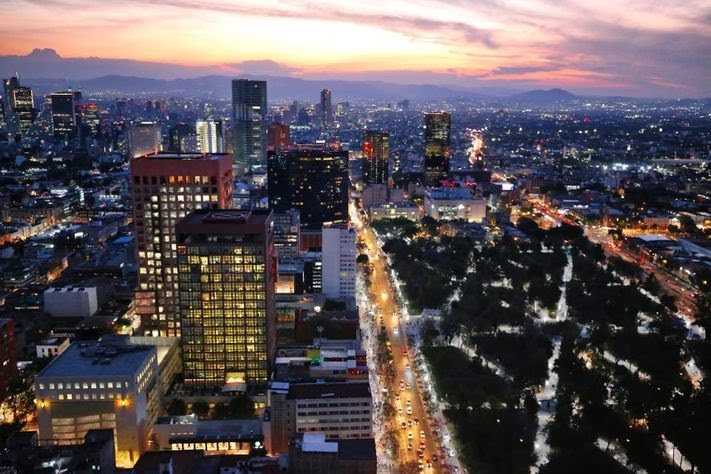
Where: Mexico City
Why: Mexico City is going very strong, and I’m not saying that because I’m a local. Just check out the number of hotels that are opening here. Now, joining Ritz-Carlton and Park Hyatt, Kimpton and Sofitel have both announced they will open in Mexico’s capital. This clearly speaks to a rising interest among tourists to explore our city — and I’m pretty sure our gastronomic scene has a lot to do with that, too.

Violence-the only word that connects viously to the word BULLYING.Violence that attacks,hurts and even kills silently.It is unlawful,cold blooded and unhuman act to deliberate a person because of its weaknesses.
Cyber-bullying has more than one definition, cyber-bullying can be defined as “when the Internet, cell phones or other devices are used to send or post text or images intended to hurt or embarrass another person” [1] or as “a situation when a child or teen is repeatedly ‘tormented, threatened, harassed, humiliated, embarrassed or otherwise targeted’ by another child or teenager using text messaging, e-mail, instant messaging or any other type of digital technology.” [2] The last definition I gave refers only to teens or children because bullying through the internet or cell-phones from adults to adults can be referred to as cyber-stalking which due to word limitation I will not go into.
A cyber-bullying situation can be as simple as sending e-mails to someone that wants no further contact with you but it can also be very serious when it includes threats or sexual bullying or when a forum is created and that person is ridiculed. Cyber-bullies may post personal data of their victims at websites or forums or even pretend to be someone else in order to publish different material to the victim’s name that diminishes or humiliates him. The biggest percentage of the bullies use pretty much the same tactic as they send threatening messages to their victim or call them mean

The Internet is a defining factor of modern education. In fact, education has become more accessible and widespread than ever before because of the Internet. From using digital textbooks to getting a degree online, more classroom functions and student experiences are moving into cyberspace — including, unfortunately, bullying.
Despite all the good that the Internet has brought to students, parents, and teachers alike, there are people who use it with malicious intent. And just as bullying has existed since the dawn of time, virtual bullying has existed since the beginning of the Internet. This guide on cyberbullying from Maryville University Online will help you learn everything you need to know about cyberbullying, from relevant facts and statistics to helpful resources, so you can keep your teen safe online.
Thanks for joining me!
Good company in a journey makes the way seem shorter. — Izaak Walton


